

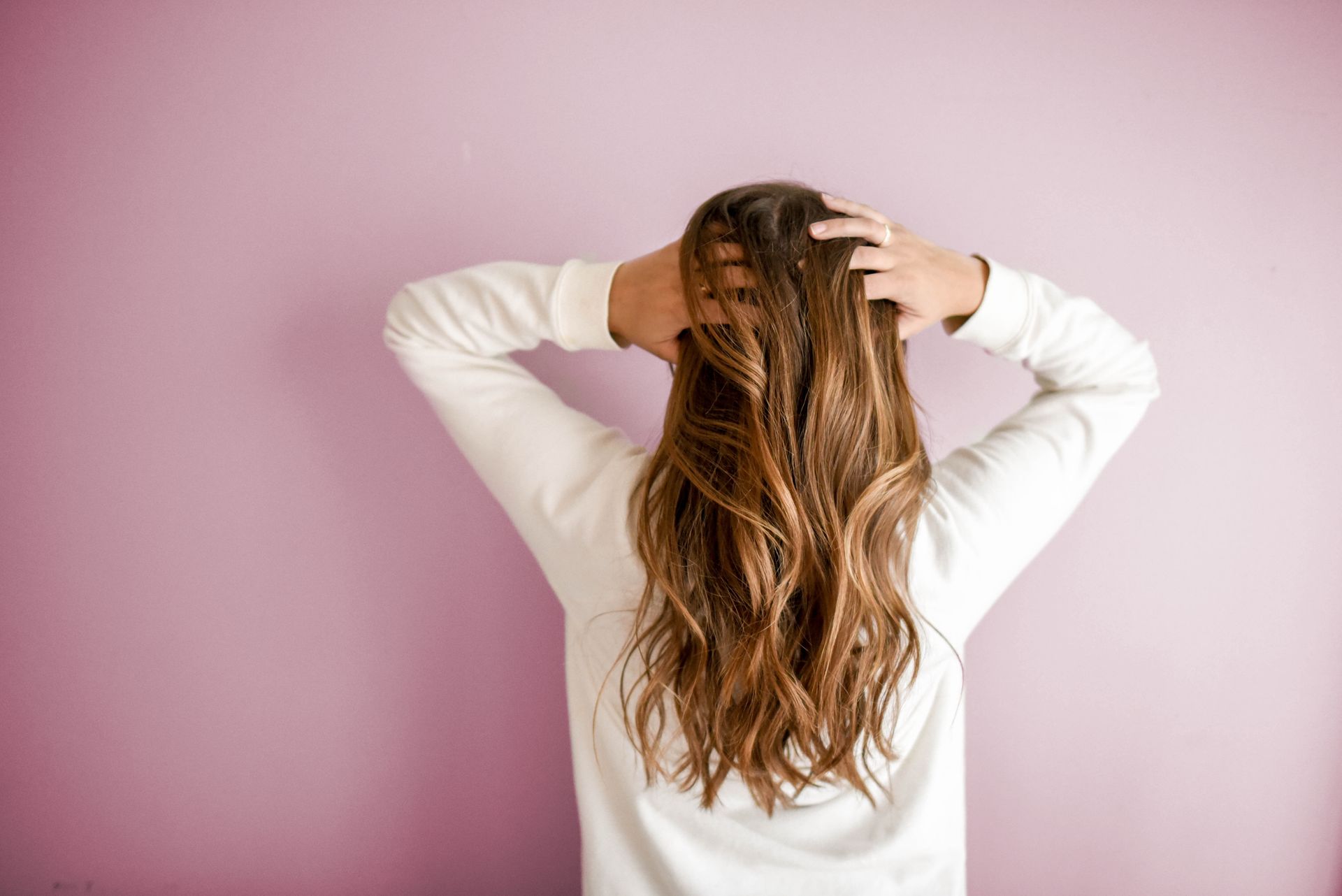
Have you ever wondered why a hair product works perfectly for your friend but does absolutely nothing for you? Or why your hair looks amazing one day and refuses to cooperate the next? Well, your hair might have something to say about that! Just like people, hair has its own personality. Some hair types love moisture, others need extra strength, while some seem to have a mind of their own. Understanding what your hair needs is the first step towards keeping it healthy, beautiful, and manageable. Instead of following every haircare trend you see online, it’s time to get to know your hair and treat it accordingly.
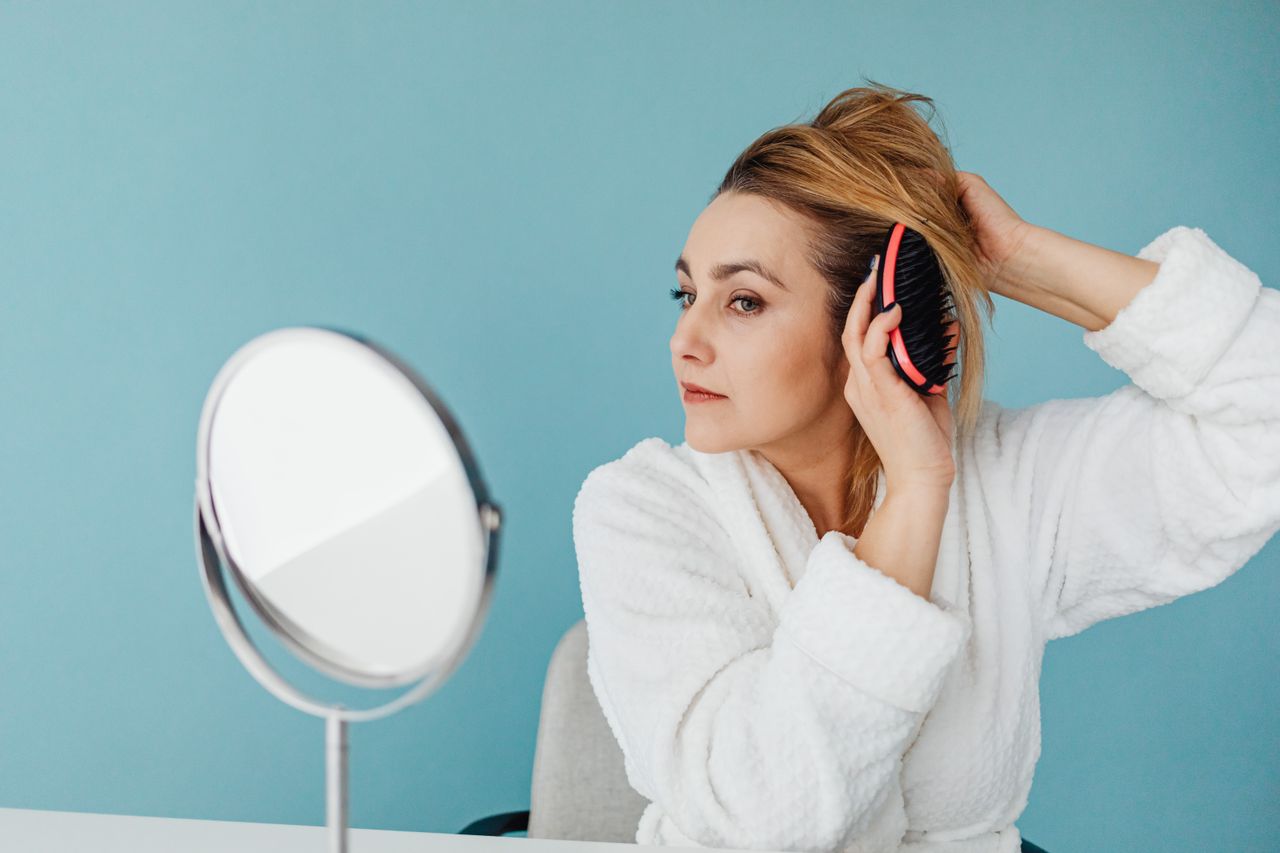
Get to Know Your Hair Type
Before investing in expensive shampoos, conditioners, and treatments, take a moment to understand your hair type. Is your hair straight, wavy, curly, or coily? Each texture has different needs, and knowing yours can help you make better haircare decisions. For example, curly and coily hair often needs more moisture because natural scalp oils have a harder time travelling down the twists and bends of the strands. Straight hair, on the other hand, may become oily more quickly. Understanding these differences helps you choose products that work with your hair instead of against it.
Your Scalp Deserves Attention Too
We often spend so much time worrying about the appearance of our hair that we forget about the scalp. However, healthy-looking hair starts with a well-cared-for scalp. Think of it as the foundation of a beautiful hairstyle. A scalp that feels itchy, flaky, or excessively oily may need a little extra attention. Regular cleansing helps remove product buildup, excess oil, and dirt. Choose a shampoo that suits your scalp condition, and avoid scratching aggressively when washing. Remember, taking care of your scalp is just as important as taking care of your strands.
Moisture Is Your Hair’s Best Friend
If your hair constantly feels dry, rough, or difficult to manage, it might be asking for more moisture. Dryness can make hair feel brittle and increase the risk of breakage, especially when brushing or styling. A good conditioner can make a noticeable difference. You can also incorporate a deep-conditioning treatment into your routine depending on your hair’s needs. Leave-in conditioners are another useful option for helping hair retain moisture between wash days. The trick is finding the right balance without making your hair feel heavy or greasy.
Stop Following Every Hair Trend
Let’s be honest. Social media has made it incredibly easy to get carried away with haircare trends. One week, everyone is recommending rice water, and the next week, it’s an expensive hair oil or a complicated treatment routine. While trying new things can be fun, not every trend is suitable for your hair. Some products may work beautifully for certain textures but leave others feeling dry or weighed down. Instead of copying someone else’s routine, pay attention to how your hair responds. Healthy haircare is about consistency and understanding, not following every viral recommendation.
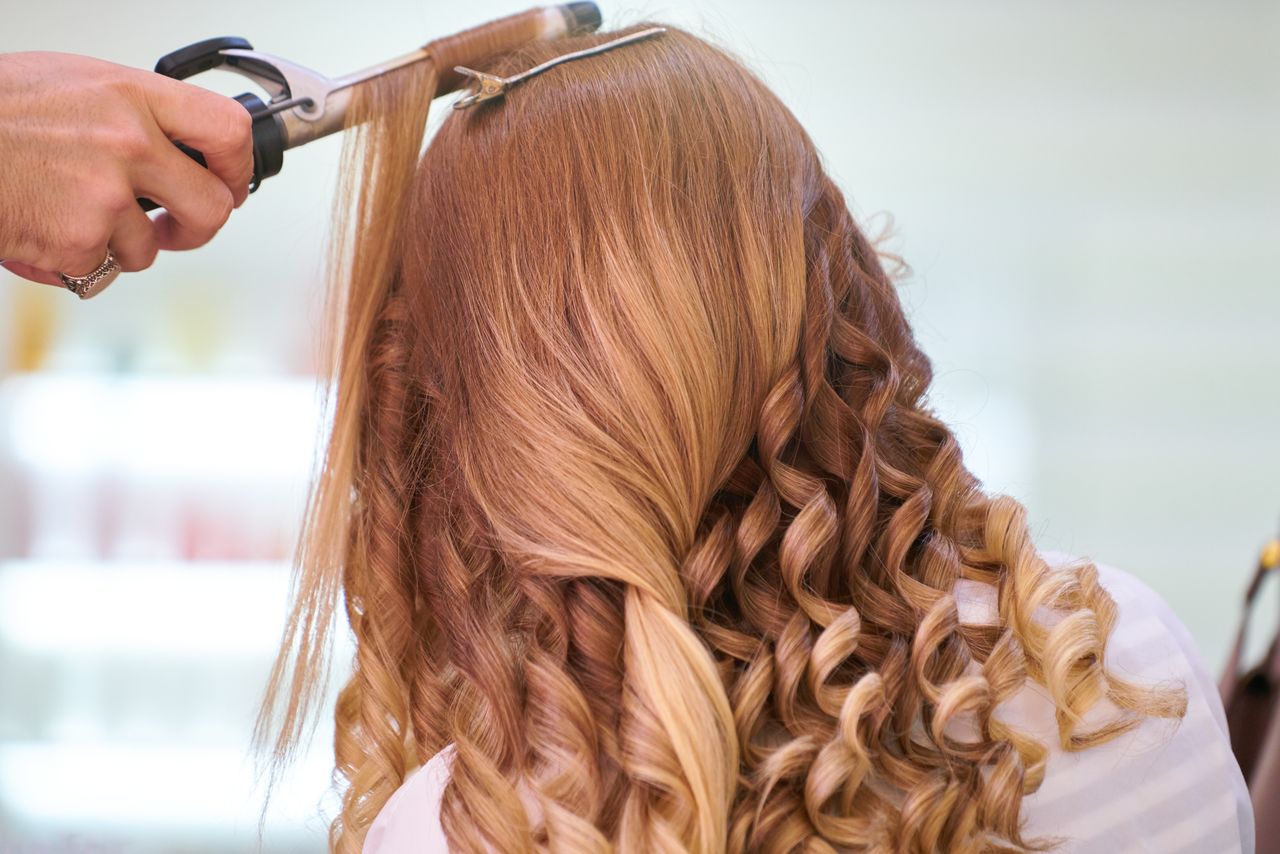
Be Gentle When Handling Your Hair
Sometimes, the problem isn’t the products you’re using but how you’re treating your hair. Rough towel drying, aggressive brushing, tight hairstyles, and excessive heat styling can contribute to damage and breakage. Try handling your hair gently, especially when it’s wet and more vulnerable to stretching. Use a wide-tooth comb when appropriate, avoid pulling too tightly when styling, and give your hair occasional breaks from heat. Small changes in your everyday habits can make a big difference over time.
Your Hair Needs Protection
Just like your skin, your hair can be affected by environmental factors. Sun exposure, pollution, wind, and frequent swimming can all influence how your hair looks and feels. Protective hairstyles, hats, and suitable hair products can help reduce exposure to damaging conditions. If you enjoy swimming, consider protecting your hair before entering the pool and rinsing it afterwards. These simple precautions can help maintain your hair’s appearance and reduce unnecessary stress on your strands.
Trim Away the Damage
We all love having long hair, but holding on to damaged ends isn’t always the best idea. Split ends can travel further up the hair shaft if left unmanaged, making your hair look uneven and feel rough. Getting occasional trims helps remove damaged ends and keeps your hairstyle looking fresh. Trimming doesn’t magically make hair grow faster from the roots, but it can help prevent breakage from worsening. The frequency depends on your hair’s condition, styling habits, and personal goals.
Your hair doesn’t need a complicated routine or a shelf full of expensive products to look good. It needs attention, patience, and the right kind of care. Once you understand your hair type, recognise its needs, and develop healthy habits, managing it becomes much easier. So, the next time your hair seems difficult to handle, don’t rush to blame it. Perhaps it’s simply asking you to treat it a little differently. After all, beautiful hair starts with understanding what makes yours unique.